I feel ya
The psychological effects of AI on teams are just starting to materialize. Here's how I see the best leaders handling it.
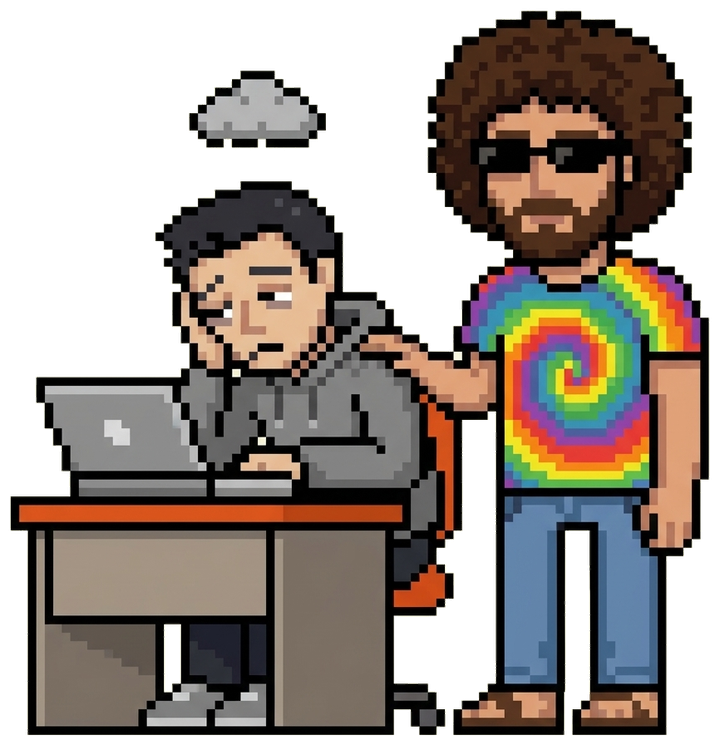
With agentic advances automating more and more of the software development life cycle, it’s hard not to have an emotional reaction to what the latest frontier models can do. The feelings are complex, and they test our moral capacity, our creative endorphins and our sleep regulation systems.
In previous booms, high-profile departures from pre-IPO companies were basically unheard of, but in this wave departure manifestos are so common they only occasionally make the news. In September, Jacob Coxon, after three years of pretraining research at Anthropic and OpenAI, walked out two months before his equity vested. Two weeks ago Thariq Shihipar, one of the most visible engineers on Anthropic’s Claude Code, quit, and his bio now says he’s playing World of Warcraft forever. These aren’t talent wars, they’re burnout, and it’s indicative of the pace of this race. Peter Steinberger, Steve Yegge and many others have also written about what AI is doing to their sleep and mental well-being, and so have I, when I launched hev mind.
Working intensely with AI is akin to using powerful psychedelics (so I have heard 😉), and I’d imagine missing out on the party is equally anguishing. Therapists are taking AI psychosis seriously, and in September the APA’s Monitor on Psychology covered it. Of course tech companies are all too comfortable with this playbook from social media, but more ironically, this time it’s hitting tech companies first and hardest.
The solution as I see it is relatively simple, and you probably learned it in elementary school: empathy. Learn the tech, but care about your people, and realize they are ultimately responsible for the outcomes. In my consulting I spend lots of time teaching how to hold the latest tool, but the point of embedding with teams is actually to help leaders understand how it feels for the team to wield this new power. It’s why I hate “factory” analogies.
The leaders I know who are handling this best are noticeably excited, energized even. That’s easy to identify with, and it’s an important energy for teams to capture, but it’s also hard to maintain. Helping CEOs regulate how their excitement lands with teammates who might be feeling something else is an important coaching lesson, and one I’m still learning myself at times.
Teams are also no longer being politely asked to try out a new tool here or there. AI adoption is coming as ultimatums, with more pressure than is typical. Unlike, say, cloud or Kubernetes, your execs are actually using AI themselves, and the weekend prototype lands alongside the mandates and a PR backlog that was already bringing the temperature up. The innocent excitement and founder energy is often perceived very differently by the engineering and ops teams, and it’s hard not to think that the fun part of software engineering is being taken from us.
There’s some real truth to that thinking, but pause and consider whether you have ever wished your exec was “more technical” or “more hands-on,” because you’re now experiencing that. Also realize that software is not a zero-sum sprint, but a marathon that requires a growth mindset. Trust me, your CEO’s newfound technical skills aren’t enough for a complete solution, and the right number of software engineers for their business isn’t likely to be significantly lower if you care about the reliability and support of your product.
I think the long arc is that we’re all headed for the fun parts. I expect that in 20 to 30 years all infrastructure software will effectively be a public utility. The upside is that what’s left is the creative work. The models will keep getting better faster than any of us can adjust, so helping people adjust is the job now. Most of my friends and colleagues are engineers, and many of them are going through it or will at some point. If you’re reading this and struggling, reach out. I feel ya.